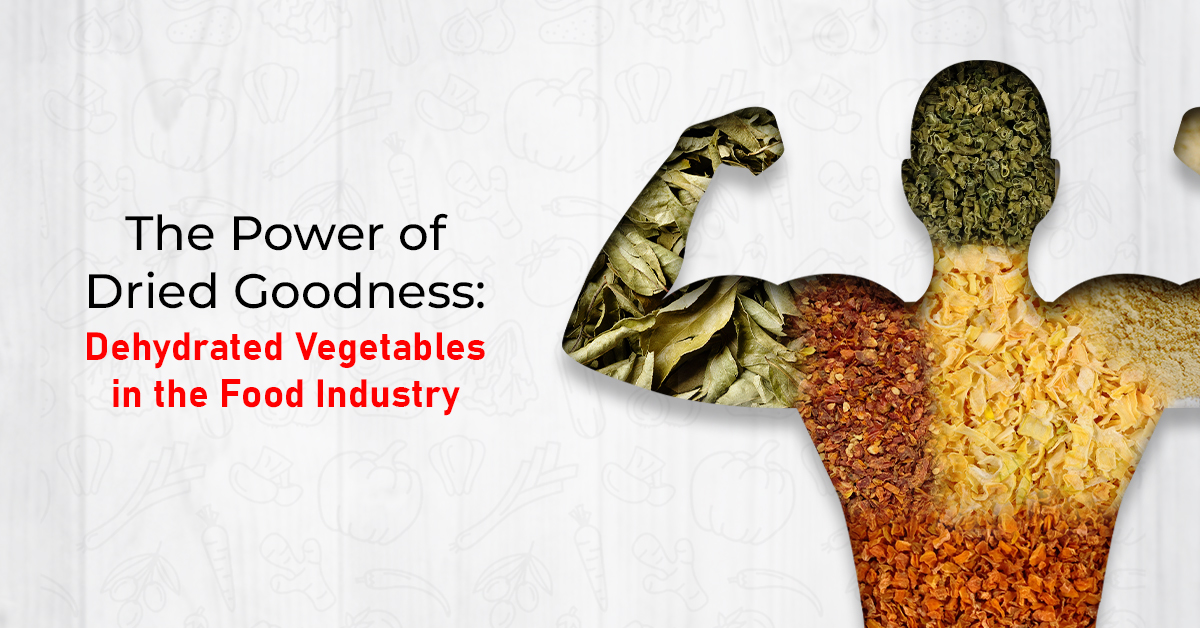
For centuries, people have sought ways to preserve the bounty of the harvest. From pickling to salting, these methods
have ensured a steady supply of vegetables throughout the year. But in the modern food industry, a more efficient
and versatile solution has emerged: dehydration. Dehydrated vegetables, with their extended shelf life, concentrated
flavor, and ease of use, have become a cornerstone for countless food applications.
The Allure of Dehydrated Vegetables
Dehydration, simply put, is the removal of water content from vegetables through various drying methods like
freeze-drying, spray drying, and hot air drying. This process not only preserves the vegetables for extended periods
(months or even years) but also offers a multitude of benefits for food manufacturers:
- Year-Round Availability: Fresh produce has its seasons. Dehydrated versions ensure consistent
access to vegetables regardless of the time of year, allowing for stable production and menu planning.
- Reduced Transportation and Storage Costs: Dehydrated vegetables are lighter and more compact
than their fresh counterparts, leading to significant savings in transportation and storage costs.
- Enhanced Shelf Life: By removing moisture, dehydration inhibits microbial growth, dramatically
extending the shelf life of vegetables and minimizing spoilage.
- Intensified Flavor: Dehydration concentrates the natural flavors of vegetables, resulting in a
more robust taste profile for finished products.
- Increased Versatility: Dehydrated vegetables can be easily incorporated into a wide range of
food applications, from soups and sauces to snacks and ready-to-eat meals.
- Convenience and Ease of Use: Dehydrated vegetables require minimal preparation (often just
rehydration) and offer a convenient solution for food manufacturers.
Applications of Dehydrated Vegetables
The applications of dehydrated vegetables in the food industry are vast and ever-expanding. Here are some prominent
examples:
- Soups, Sauces, and Seasonings: Dehydrated vegetables form the flavorful base for numerous
soups, broths, and sauces. They also add depth and complexity to spice blends and seasonings.
- Instant Products: Dehydrated vegetables are a vital ingredient in instant noodles, soups, and
mashed potatoes, offering convenience and extended shelf life.
- Snacks and Ready-to-Eat Meals: Dehydrated vegetables add vibrant colors, textures, and valuable
nutrients to snack mixes, trail mixes, and pre-packaged meals.
- Baked Goods: Dried vegetables can be incorporated into breads, muffins, and pastries, enhancing
flavor and nutritional value.
- Baby Food: Dehydrated vegetables provide a safe and convenient way to introduce essential
vitamins and minerals to baby food formulations.
Azista Industries:
Azista Industries has established itself as a leading force in the dehydrated vegetable market. With a commitment to
quality, innovation, and sustainability, Azista offers a comprehensive range of dehydrated vegetable products to
cater to the diverse needs of food manufacturers. Here's what sets Azista Industries apart:
- Unmatched Quality: Azista prioritizes sourcing the freshest, highest-quality vegetables from
trusted growers. The company employs stringent quality control measures throughout the dehydration process to
ensure consistent product characteristics, flavor profiles, and safety.
- Advanced Dehydration Techniques: Azista utilizes state-of-the-art dehydration technologies like
freeze-drying and spray drying to preserve the maximum nutritional value, color, and flavor of the vegetables.
- Diverse Product Range: Azista offers a wide variety of dehydrated vegetables, from commonly
used options like onions and garlic to more specialty items like bell peppers and mushrooms. The company also
caters to specific needs by providing diced, sliced, powdered, and granulated formats.
- Customization and Innovation: Azista understands that every food manufacturer has unique
requirements. The company offers customization options such as blending different vegetables and tailoring
dehydration methods to achieve specific flavor profiles. Additionally, Azista actively invests in research and
development, constantly exploring new dehydrated vegetable applications and technologies.
- Sustainability Focus: Azista is committed to sustainable practices throughout its operations.
The company works with growers who implement responsible agricultural methods and utilizes energy-efficient
dehydration technologies to minimize its environmental footprint.
By partnering with Azista Industries, food manufacturers gain access to a reliable source of high-quality dehydrated
vegetables, empowering them to create innovative and delicious food products.
The Future of Dehydration
The future of dehydrated vegetables in the food industry is bright. As consumer demand for convenient, healthy, and
flavorful food options continues to grow, dehydrated vegetables will play an increasingly important role. Azista
Industries, through its dedication to quality, innovation, and sustainability, is poised to be at the forefront of
this exciting journey.
Looking for a Dehydrated Vegetable Solution?
Azista Industries is your one-stop shop for all your dehydrated vegetable needs. Contact us today to discuss your
specific requirements and discover how our products can elevate your food creations
The Potential of Dehydrated Vegetables: Beyond the Plate
The impact of dehydrated vegetables extends far beyond the realm of food production. Here are some exciting
possibilities for the future:
- Nutritional Powerhouses in Developing Nations: Dehydrated vegetables can be a game-changer in
regions with limited access to fresh produce. They offer a concentrated source of essential vitamins and
minerals, contributing to improved nutrition and dietary diversity.
- Disaster Relief and Emergency Preparedness: Dehydrated vegetables, with their extended shelf
life and minimal storage requirements, can be invaluable in disaster relief situations and emergency
preparedness kits. They provide vital nutrients to populations facing food shortages.
- Space Exploration and Astronaut Nutrition: Dehydrated vegetables are a perfect candidate for
space travel due to their compact size, long shelf life, and ability to retain essential nutrients. They can
ensure a balanced diet for astronauts on extended missions.
- Sustainable Food Production:Dehydration offers a sustainable solution for reducing food waste.
By preserving excess produce during peak harvest seasons, dehydration minimizes spoilage and promotes efficient
resource utilization.
Azista Industries: Partnering for a Brighter Future
Azista Industries recognizes the immense potential of dehydrated vegetables and actively seeks partnerships to drive
innovation in various sectors:
- Collaboration with Research Institutions: Azista partners with research institutions to explore
new applications for dehydrated vegetables in areas like functional foods and nutraceuticals.
- Developing Educational Programs: The company recognizes the importance of educating consumers
about the benefits of dehydrated vegetables. Azista can develop educational programs for schools and
communities, promoting healthy eating habits and fostering awareness about sustainable food practices.
- Supporting Sustainable Agriculture: Azista can collaborate with farmers to implement
sustainable agricultural practices that ensure the long-term viability of the dehydrated vegetable industry.
By actively engaging in these initiatives, Azista Industries transcends its role as a supplier and transforms itself
into a responsible corporate citizen working towards a healthier and more sustainable future.
Dehydrated Vegetables - A Versatile Solution for a Changing World
Dehydrated vegetables offer a powerful solution for the evolving food industry. They address critical needs for
convenience, consistency, and nutrition while minimizing waste and environmental impact. Azista Industries, with its
unwavering commitment to quality, innovation, and sustainability, stands as a leader in this transformative sector.
As the world embraces new possibilities, dehydrated vegetables, championed by companies like Azista, have the
potential to revolutionize the way we grow, consume, and nourish ourselves.